
A guide for families
What to do when Mom starts losing her memory
You’re not imagining it, and you don’t have to fix everything this week. This is a guide, not a sales pitch. I’m Cory, a PA, and this is what I’d tell a friend.
Often it shows up after a holiday or a long visit. She told the same story three times at dinner. There was a stack of unopened mail. The fridge had four cartons of milk and nothing else. You drove home quiet, and now you’re searching at midnight.
Here’s where to start.
Signs families often notice first
None of these alone means dementia. Plenty of things cause memory trouble, and some of them are treatable: thyroid problems, low B12, medication side effects, depression, poor sleep, a urinary infection. That’s why the doctor visit matters.
- Repeating the same question or story within a short time
- Missed bills, late notices, or unusual purchases
- Trouble with something she’s done for years, like a favorite recipe
- Getting lost or confused on a familiar drive
- Withdrawing from friends, church, or hobbies
- Mood or personality changes: suspicion, irritability, worry
- Being more confused late in the day
- Asking to “go home” when she is home
What to do in the first two weeks
- Write it down. Specific examples with dates. “Left the stove on, Nov 3.” Doctors can do a lot more with that than with “she’s been off.”
- Call her primary care clinician. Ask for a memory evaluation. If you can, go to the visit with her, or send your notes ahead with her permission.
- Talk with your siblings before anyone books a tour. Share what you’ve each seen. The person who lives closest often sees the most and gets believed the least.
- Check safety at home. The stove, the car, medications, the stairs, and whether she could call for help if she fell.
- Look at the paperwork while she can help. Health care power of attorney, financial power of attorney, and who’s on the accounts. These are much easier to set up early.
How to talk with her
Keep it about her goals, not her mistakes. “I want to make sure you can keep living the way you want” goes over better than “You forgot again.”
Pick a calm time of day, usually the morning. Keep sentences short. If she gets upset, stop and try another day. It’s a conversation, not a verdict.
When she says something that isn’t accurate, you usually don’t have to correct it. We wrote more about that here: What to say when Mom asks to go home.
What the words mean
Home care: Aides come to her house for a few hours or around the clock. Good when the house is still safe and she isn’t alone too much.
Assisted living: She lives in a community and gets help with daily things like bathing, dressing, medications, and meals.
Memory care: Assisted living designed for people with dementia, with a secure setting and staff trained for memory loss.
Nursing home (skilled nursing): Round-the-clock nursing for people with serious medical needs.
Everlight is residential assisted living and memory care. It is not a nursing home. More on what “residential” means.
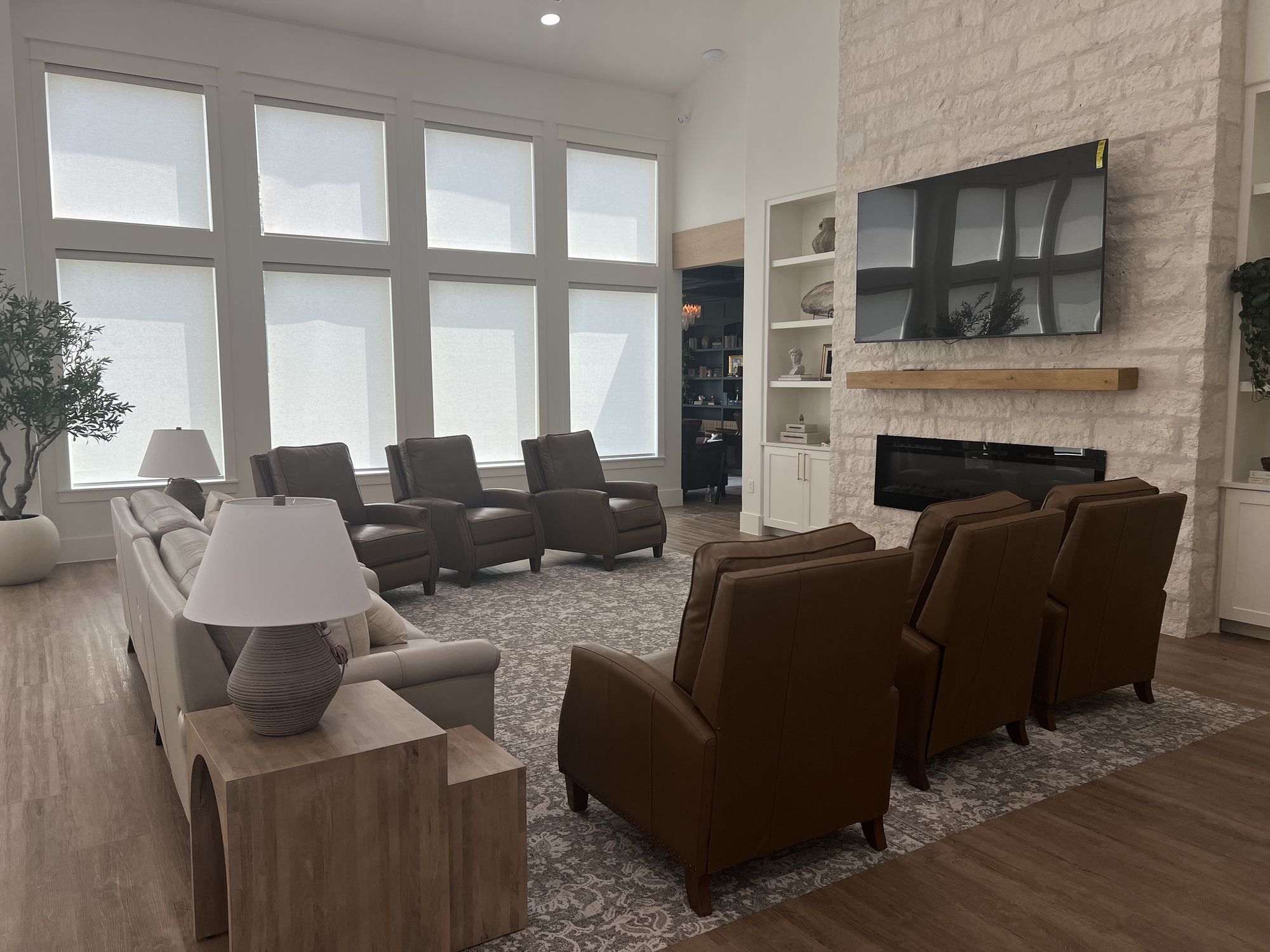
When a small home might be the right next step
When she’s not safe alone anymore, when the family caregiver is running on empty, or when home care hours keep climbing, it’s worth looking at a residential home.
The case for a small one: fewer people, less noise, the same faces every day, and a staff that can learn who she is. For a lot of people with dementia, that’s calmer than a big building.
If you’re in the Wooster area
Everlight is a planned 16-bed home in Wooster. Here’s more on memory care in Wooster and on families from Wayne County and nearby towns. We aren’t open yet, but I’m glad to talk with families now, even if all you want is someone to think it through with.
Common questions
Is forgetfulness always dementia?
No. Some memory slips are normal with age, and several medical problems can cause confusion and are treatable. A medical evaluation is the way to sort it out.
Should we take the car keys now?
If she’s gotten lost, had near misses, or has new dents on the car, it’s time to talk about it with her doctor. Many doctors can order a driving evaluation, which takes the decision out of the family argument.
How do I bring this up with my siblings?
Send them this page and your list of what you’ve noticed. Then set up a call. Decide on one next step together, like who goes to the doctor visit.
When is it time to look at memory care?
Usually when safety at home is slipping, when she’s alone and confused, or when the caregiver is worn out. Looking early isn’t giving up. It gives you choices.
Share this with your family.
If this page names what you’ve been seeing, send it to your brothers and sisters. Or send us a note. We’re building Everlight for families in exactly this spot, and we’re glad to talk while the home is still being built.